.svg)
.png)


.png)

Shop
Take home a piece of the festival

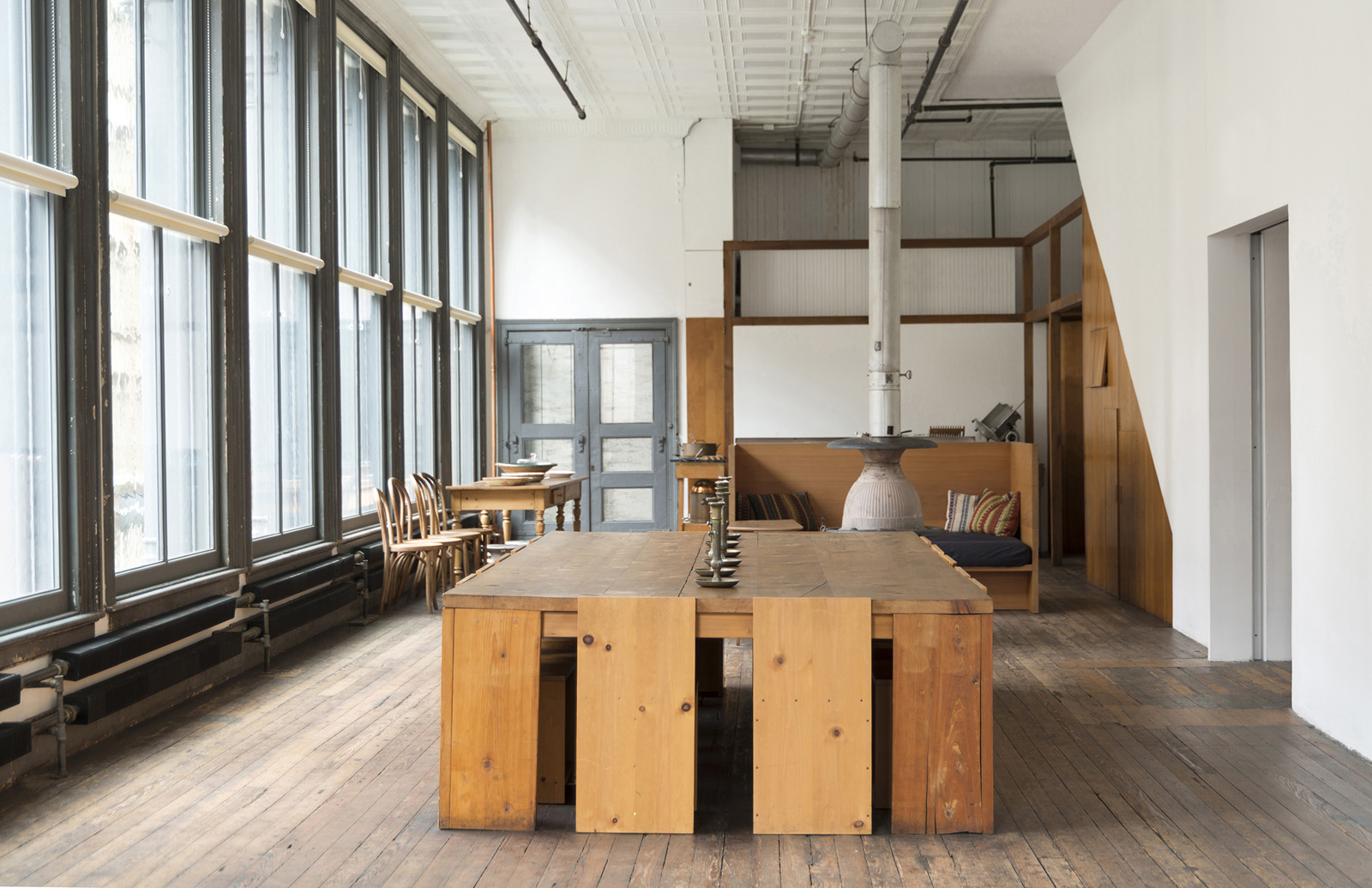
Get to know the Judd Foundation, which is among the 100s of festival partners that make Archtober possible.

Judd Foundation maintains and preserves Donald Judd’s permanently installed living and working spaces, libraries, and archives in New York and Marfa, Texas. The Foundation promotes a wider understanding of Judd’s artistic legacy by providing access to these spaces and resources and by developing scholarly and educational programs.
Q: Highlight one recent initiative, program, or exhibition.
Our upcoming exhibition, Yun Hyong-keun, an exhibition of paintings by Yun Hyongkeun at 101 Spring Street in New York. The exhibition reconstructs Hyong-keun Yun 1993, one of the artist’s first solo exhibitions in the United States, organized by Donald Judd and Locks Gallery. Yun Hyong-keun is presented in recognition of the public opening of the Yun Hyong-keun House and organized in partnership with the Estate of Yun Hyong-keun.
Yun Hyong-keun
October 8, 2026–January 16, 2027
101 Spring Street
New York, NY
Q: What is something about your organization that most people don’t know/might be unfamiliar with?
The Judd Foundation Archives located in Marfa, Texas, as the repository for the Donald Judd Papers, is the premier center for the study of the life and work of Donald Judd, containing the primary holdings of the artist, his studio, and key collaborators.
The Archives and its Collections include published and unpublished writings, correspondence, photographs, moving image material, drawings, museum, gallery and exhibition files, exhibition ephemera, and publications.
Q: What was the biggest change that your institution has witnessed in recent years?
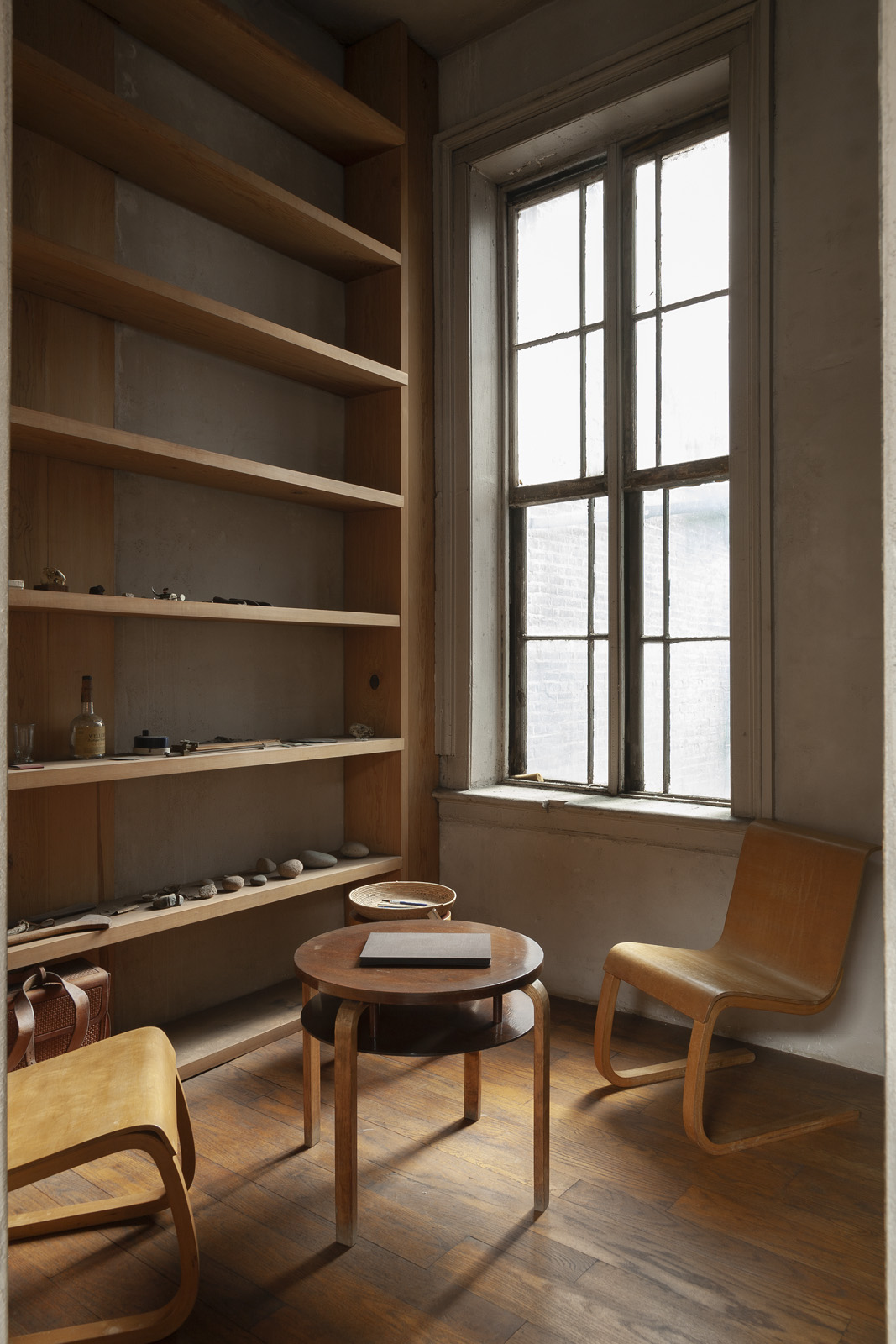
Judd Foundation completed the historic restoration and rebuilding of Donald Judd’s Architecture Office in Marfa, Texas. The space opened to the public for the first time in September 2025, providing access to the permanently installed working space that contains architectural models, building plans, design prototypes, and Judd’s furniture. A permanently installed living space on the building’s second floor, with paintings by John Chamberlain, furniture by Alvar Aalto, and furniture by Judd, is also open for guided visits.
Q: What is a design object in your building that you would like to highlight?
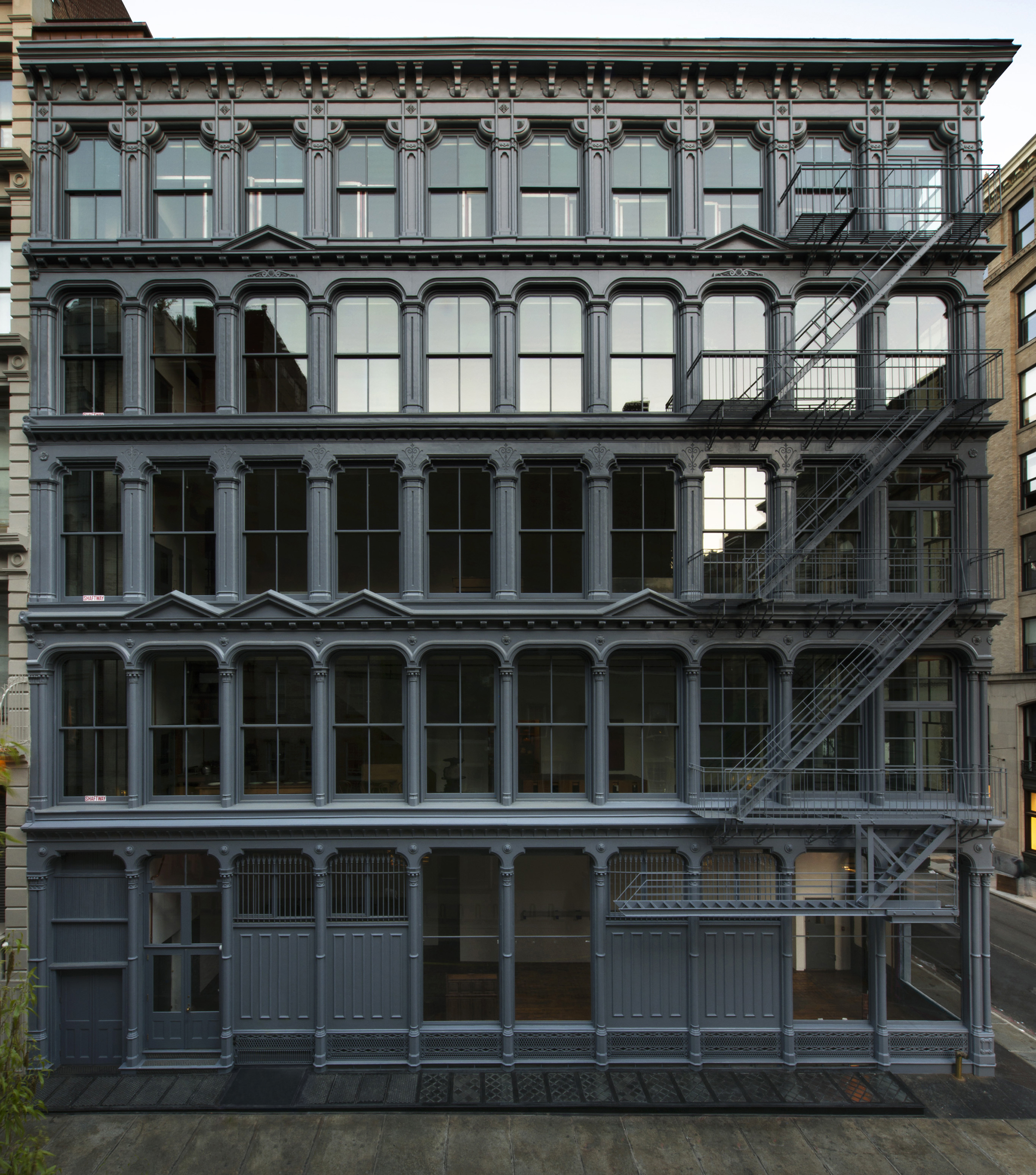
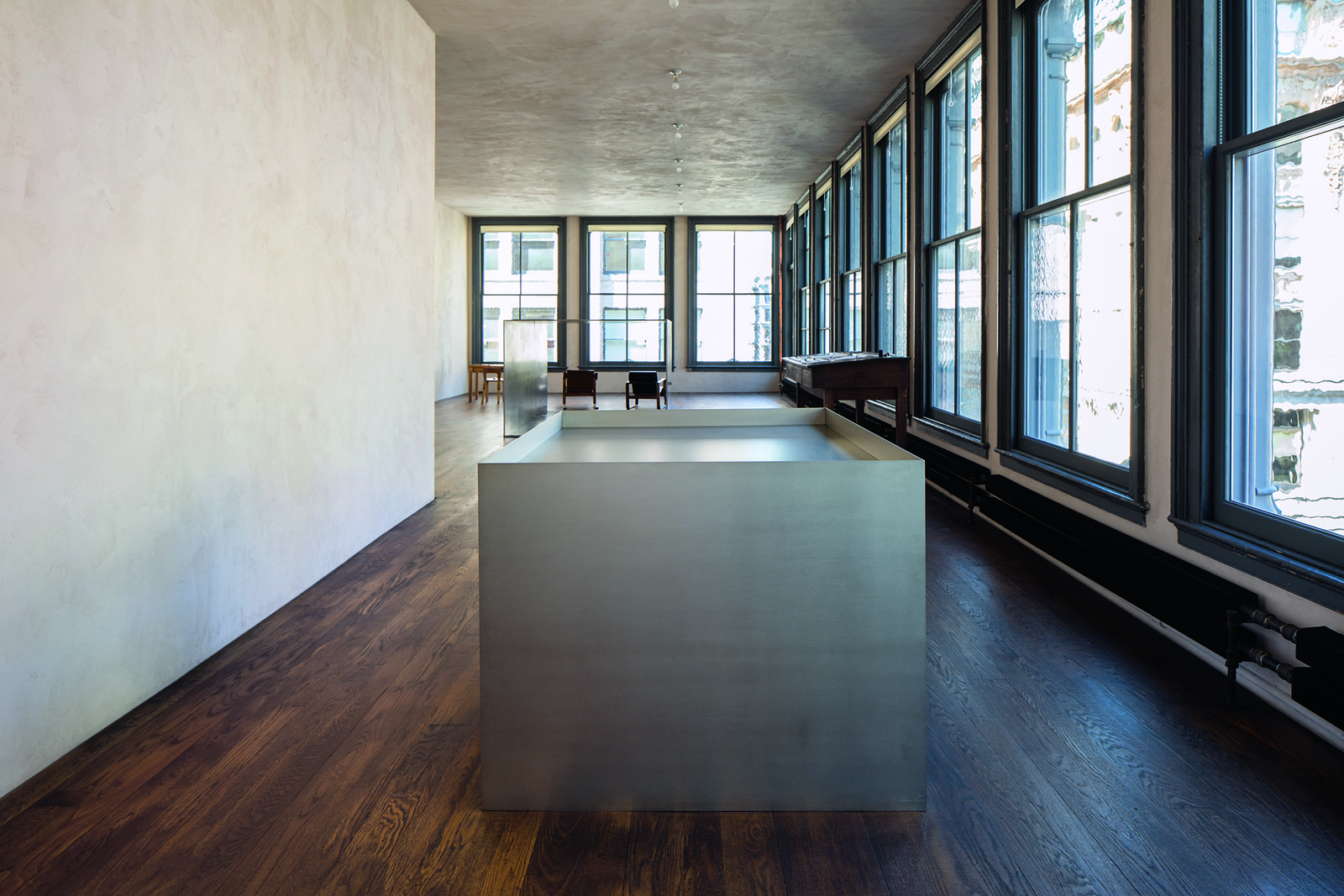
Judd Foundation, 101 Spring Street, New York: Designed by Nicholas Whyte and constructed in 1870, it was the first building Donald Judd owned and served as his New York residence and studio.
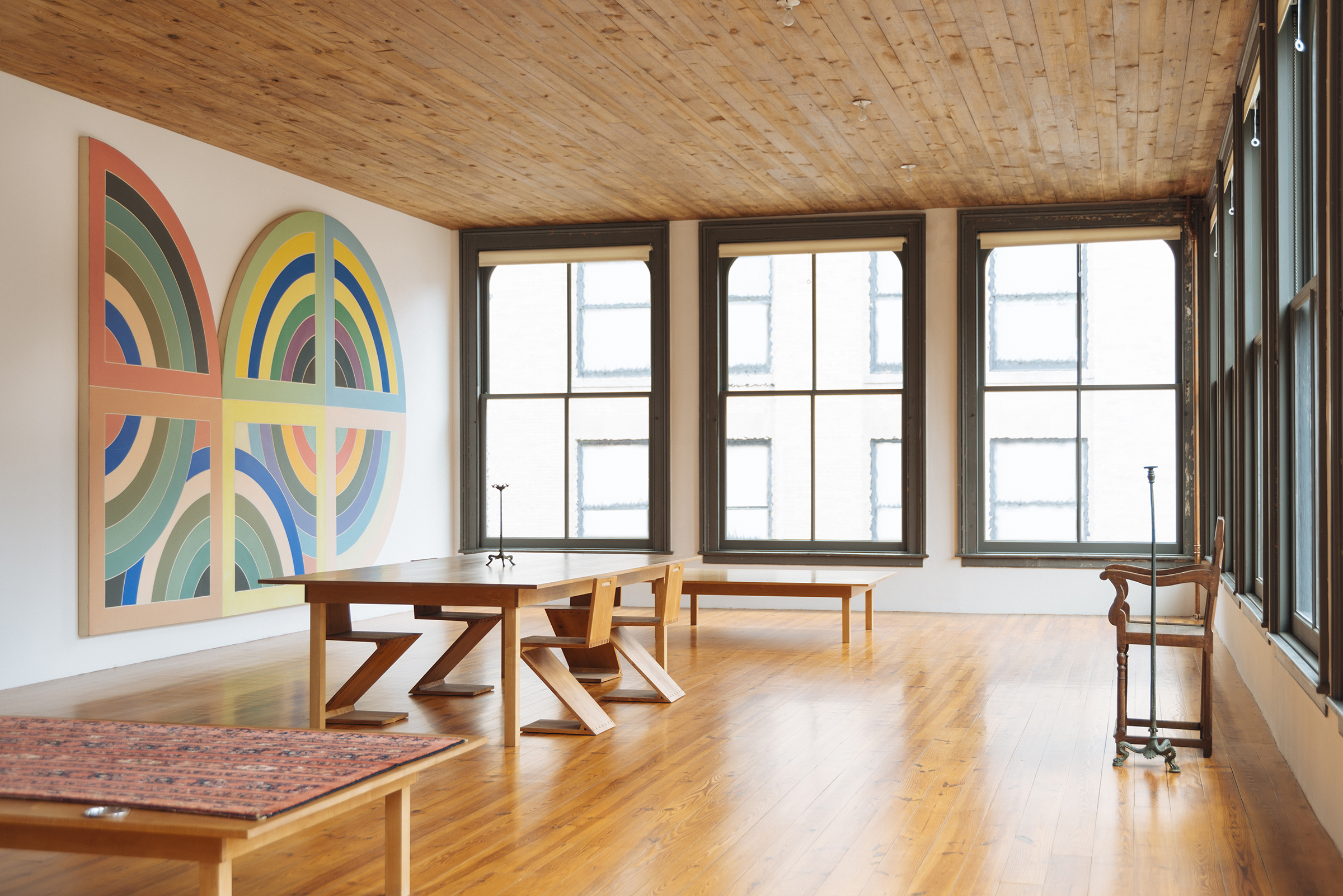
101 Spring Street is considered to be where Judd first developed the concept of permanent installation. Centered on the belief that the placement of a work of art was as critical to its understanding as the work itself, Judd’s first applications of this idea were realized in his installation of works throughout 101 Spring Street and later in Marfa, Texas.
Judd’s installations of artworks, furniture, and decorative objects strike a balance between respect for the historic nature of the landmark cast-iron building and his approach to architecture and design.


Archtober is a NYC-based platform that promotes the discovery of architecture and design through experiences and content, culminating in a month-long festival every October.