.svg)
.png)


.png)

Shop
Take home a piece of the festival

See these New York exhibitions from our partners and beyond before they close.

Across the city activism, art, architecture, and design are in constant dialogue, informing each other just as the city’s eight million citizens do every day on the streets. From the master of readymades to shaping of Brooklyn’s politics, explore these conversations today.
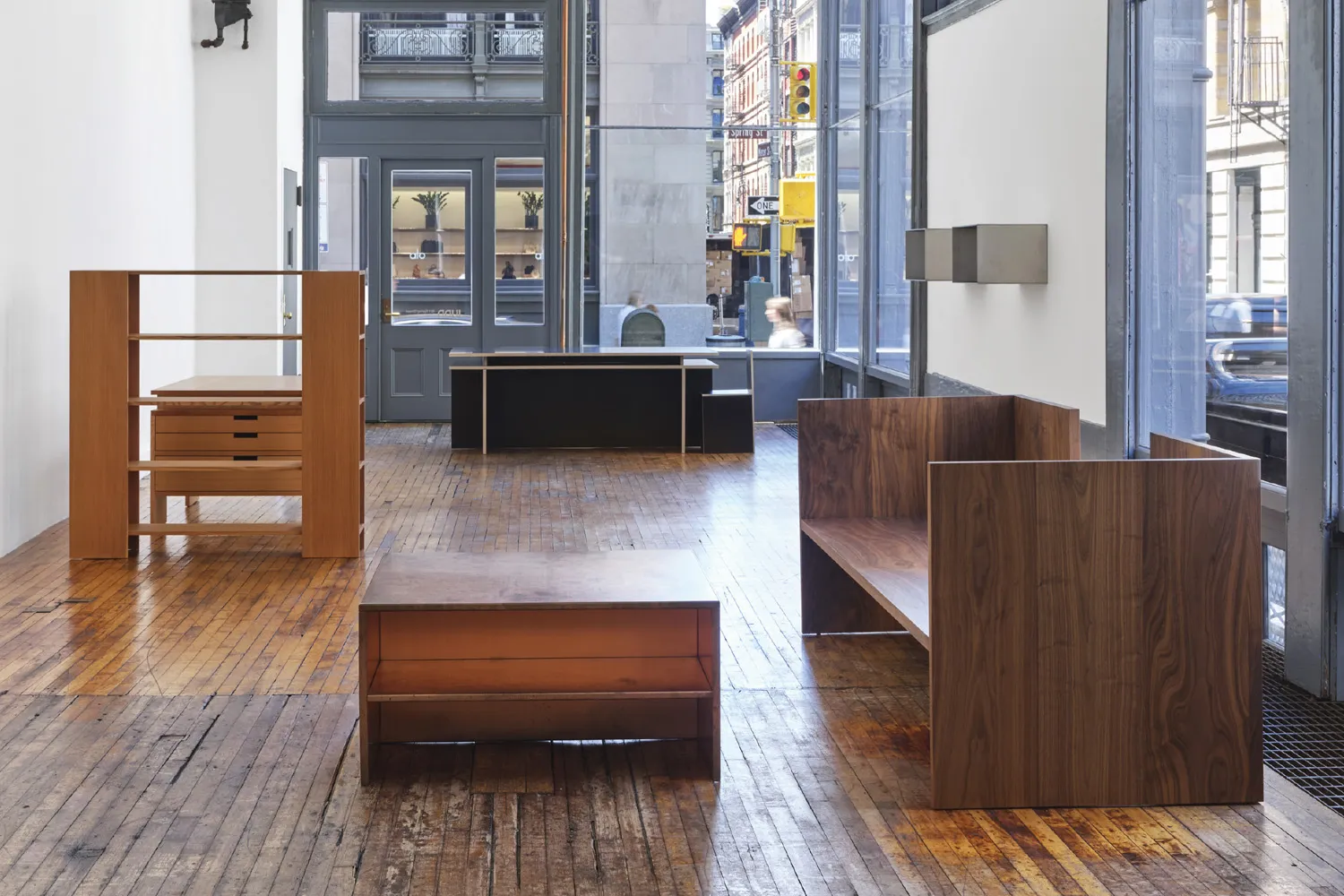
On view through August 1, 101 Spring Street, Manhattan
Distinctions between art, architecture, and furniture were fundamental to Judd’s practice. He designed furniture by letting function dominate, while considering the role of space, material, and color on the experience of the object. Selected by Flavin Judd, Artistic Director of Judd Foundation, the exhibition shows the range of Donald Judd’s designs in various materials and finishes considered for living, working, and shared spaces.
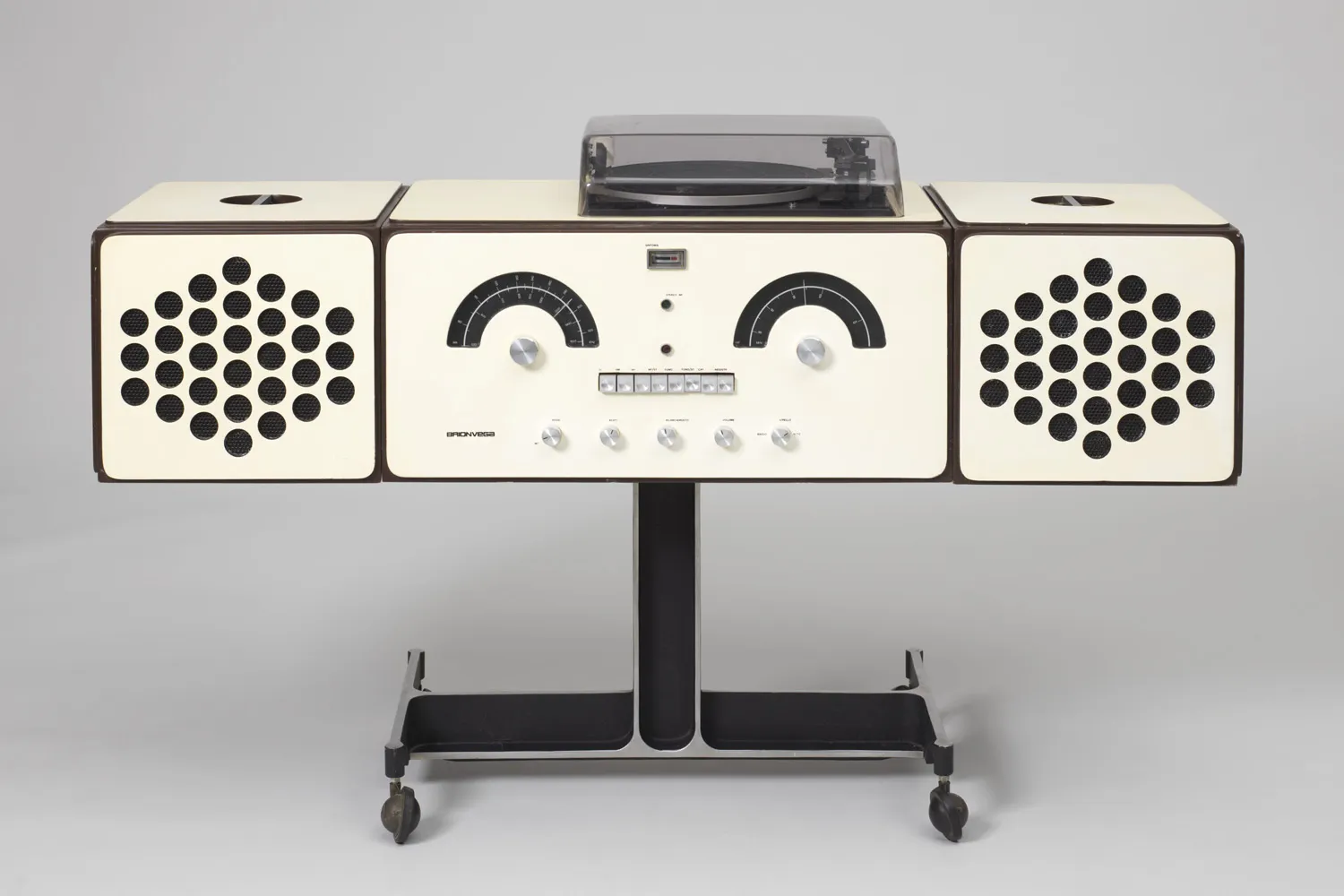
On view through August 16, 2026, Cooper Hewitt, Manhattan
Art of Noise shows how design shapes the way we experience music—how and where we listen to it, how it’s communicated visually, and what we choose to hear. For many people, these design choices feel like apart of the music itself; they become a key part of how we remember and understand sound in a multi sensory way—through our ears, our eyes, and our sense of touch. From concert posters to record albums, phonographs to digital music players, handheld radios to sound systems, the exhibition demonstrates how our experiences are built by both the sounds we hear and the objects thathelp illustrate or activate them, whether through color and composition orthrough form, material, and mechanics.
On view through August 22, Museum of Modern Art, Manhattan
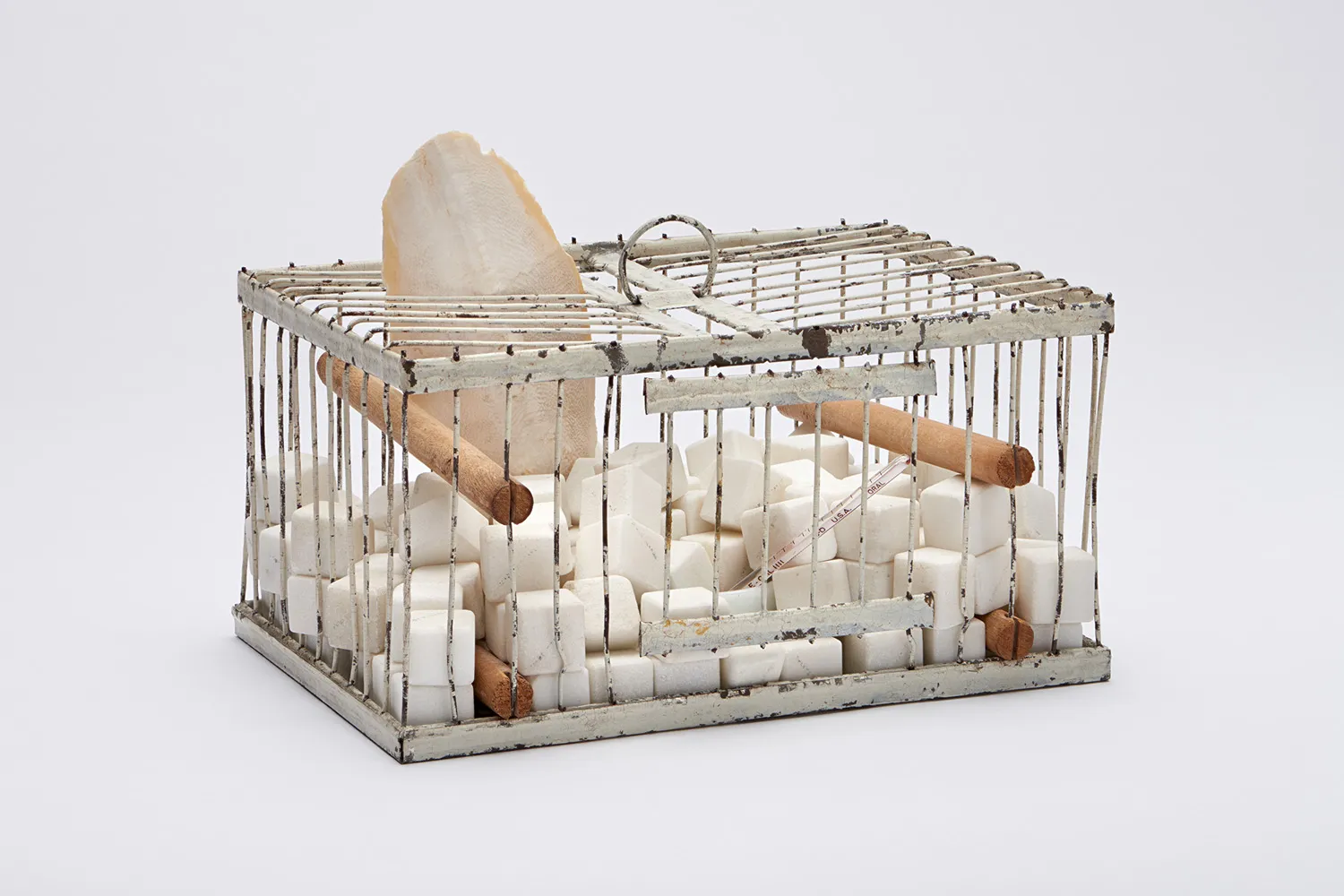
Over a six-decade career, Duchamp challenged the very definition of the artwork, ushering in a new era of creative license—the reverberations of which are still felt today. His invention of the readymade asa form of sculpture forever altered the parameters of art and authorship. Featuring some 300 artworks, this exhibition marks the first retrospective of the artist’s work in the United States since 1973.
On view through August 22, The Alice Austen House, Staten Island
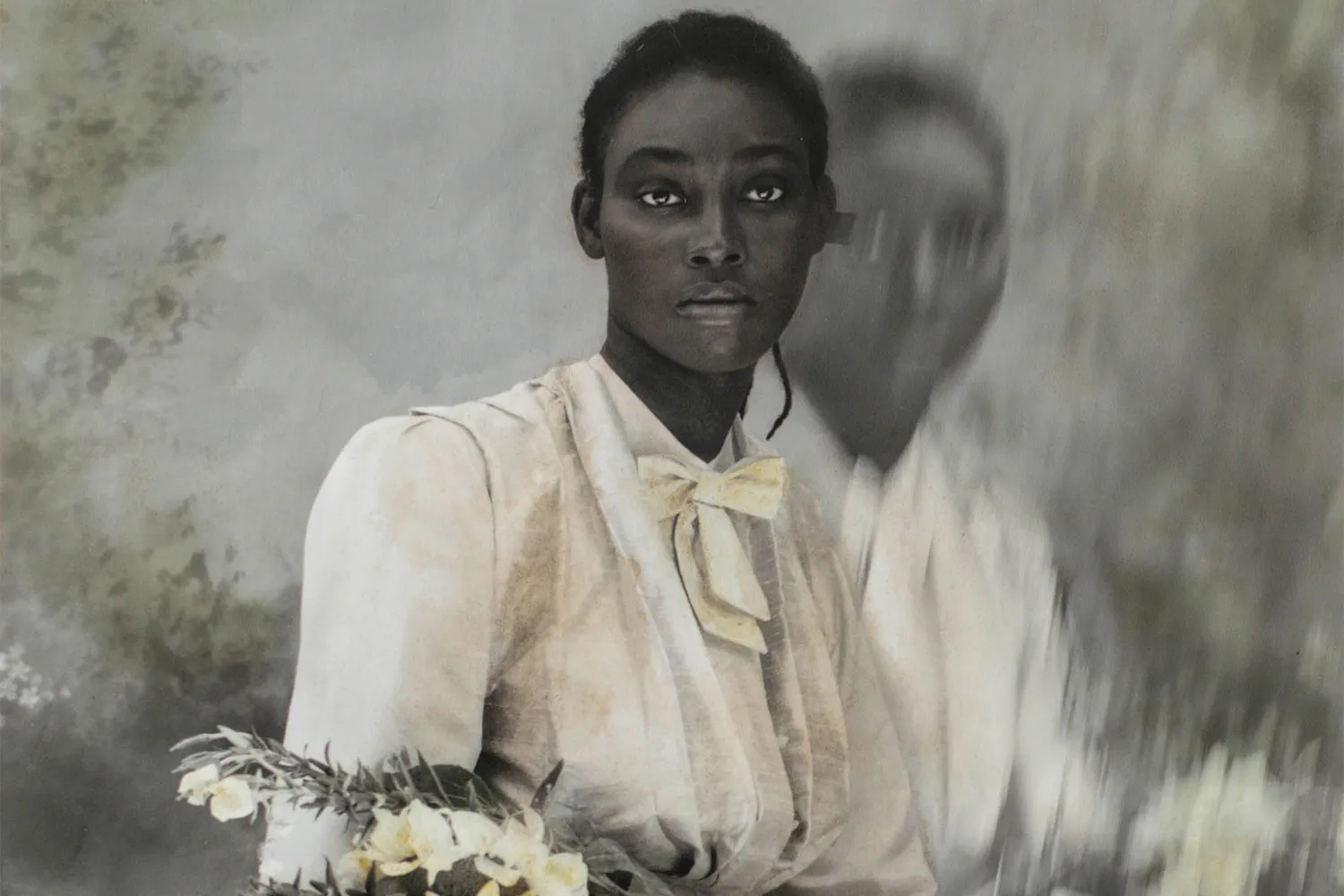
This exhibition showcases contemporary artists who use flowers as their primary subject to address pressing political issues affecting us all. The works span diverse themes including colonial history, immigration, sexism, racism, gender politics, homophobia and class. The artists employ flowers both symbolically and literally – through formal arrangements, seed planting, decay, and disruption – to express deeply human struggles. By centering the flower, these artists reveal how this seemingly delicate subject is never merely decorative but carries profound weight; across a range of media, the exhibition demonstrates that flowers are sites of labor, commodification, memory, and resistance.
On view through August 30, 2025, Brooklyn Public Library, Brooklyn
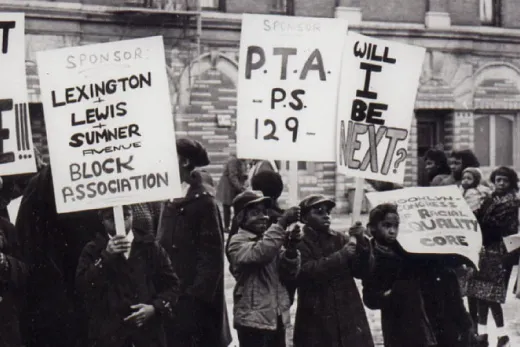
People Making Power: Politics in Brooklyn explores the history of politics in Brooklyn. By highlighting three levels of political action: block level politics, political clubs, and Brooklyn politicians passing legislation in Congress, the exhibition allows visitors to see how Brooklynites have galvanized action, organized themselves, and made lasting change.


Archtober is a NYC-based platform that promotes the discovery of architecture and design through experiences and content, culminating in a month-long festival every October.